The Evolution of Global Mobility

In January 2020 I authored an article titled Immigration and a Decade of Disruption where I made a series of predictions on what the next 10 years may look like for corporate immigration. You can find the article here.
The article was authored before the world knew of the full extent of COVID-19, and in fact most of the world had never heard of COVID-19 at the time.
The intervening 12 months has seen the biggest disruption to cross-border movement in our lifetimes. Interestingly some of the predictions made in the article have begun to materialise quicker than expected as a result of the disruption created by COVID-19.
The focus globally at present is getting COVID-19 under control and the vaccine roll-out will effectively solve that challenge in the coming months. This more controlled health environment will allow cross-border business to pregressively return, albeit with some COVID induced caveats.
As borders progressively open throughout the remainder of 2021, what will global mobility 2.0 look like?
One consequence of the disruption to cross-border movement is that the world is likely to transition from global mobility as we knew it pre-COVID to a hybrid multi-local mobility environment.
This multi-local mobility environment will be a temporary measure as a consequence of the progressive opening of travel bubbles – initially across the Asia Pacific where the response to the health impact and infection rate of COVID-19 has been effectively managed – and then include developed economies in Europe and North America as vaccines start to generate herd immunity to COVID-19.
The world is yet to see the full impacts of the evolving relationship between the world’s two largest economies - the United States of America and China. COVID-19 has magnified the trade tensions between the two economies, which is expected to impact on areas such as manufacturing and global supply chains. Given the level of investment which US-headquarted global businesses have had in China, this will inevitably impact talent flows, particularly across the Asia Pacific region.
We are therefore likely to live and work in world which is multi-local for some time. The emergence of remote work and work from anywhere, as well as greater use of virtual mobility, will mitigate some of the impacts of this transitionary mobility environment.
Additionally, workforce strategies such as remote work and the increased level of digitization of work will not address all of the needs of a global business. The multi-local mobility environment will require a rethink of how talent is deployed and incentivised, as well as how global work is carried out.
This will include issues encompassing immigration, taxation compliance (both corporate and individual), employment law and wellness.
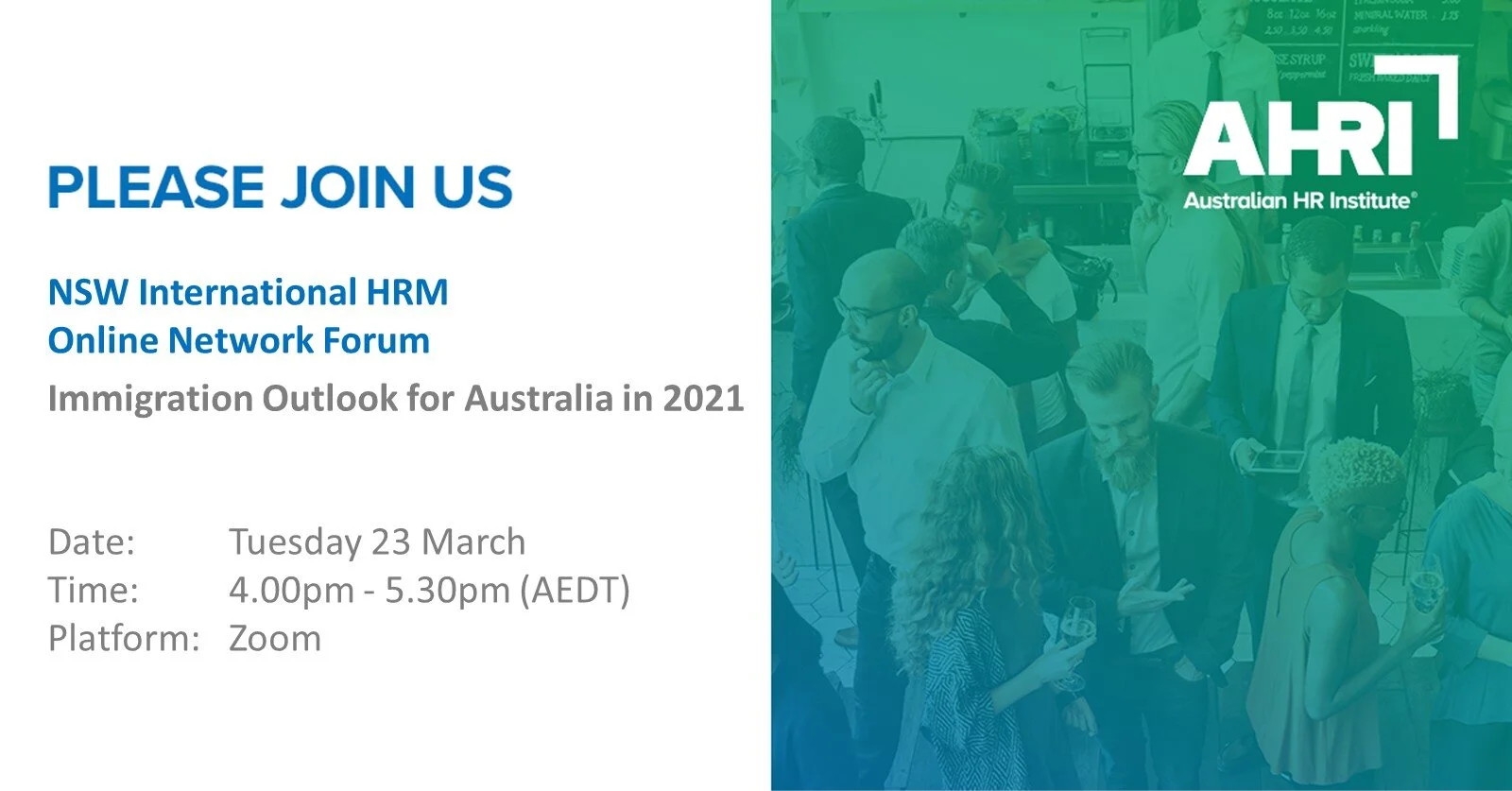
To learn more about how the transition to a multi-local mobility environment is likely to impact your talent and your organisation, please register to attend the session being hosted by the Australian Human Resources Institute (AHRI).
Details of the webinar including online registration to attend the event can be found here.